Senegal
A freshwater lake facing mounting pressures
The Classic Tale
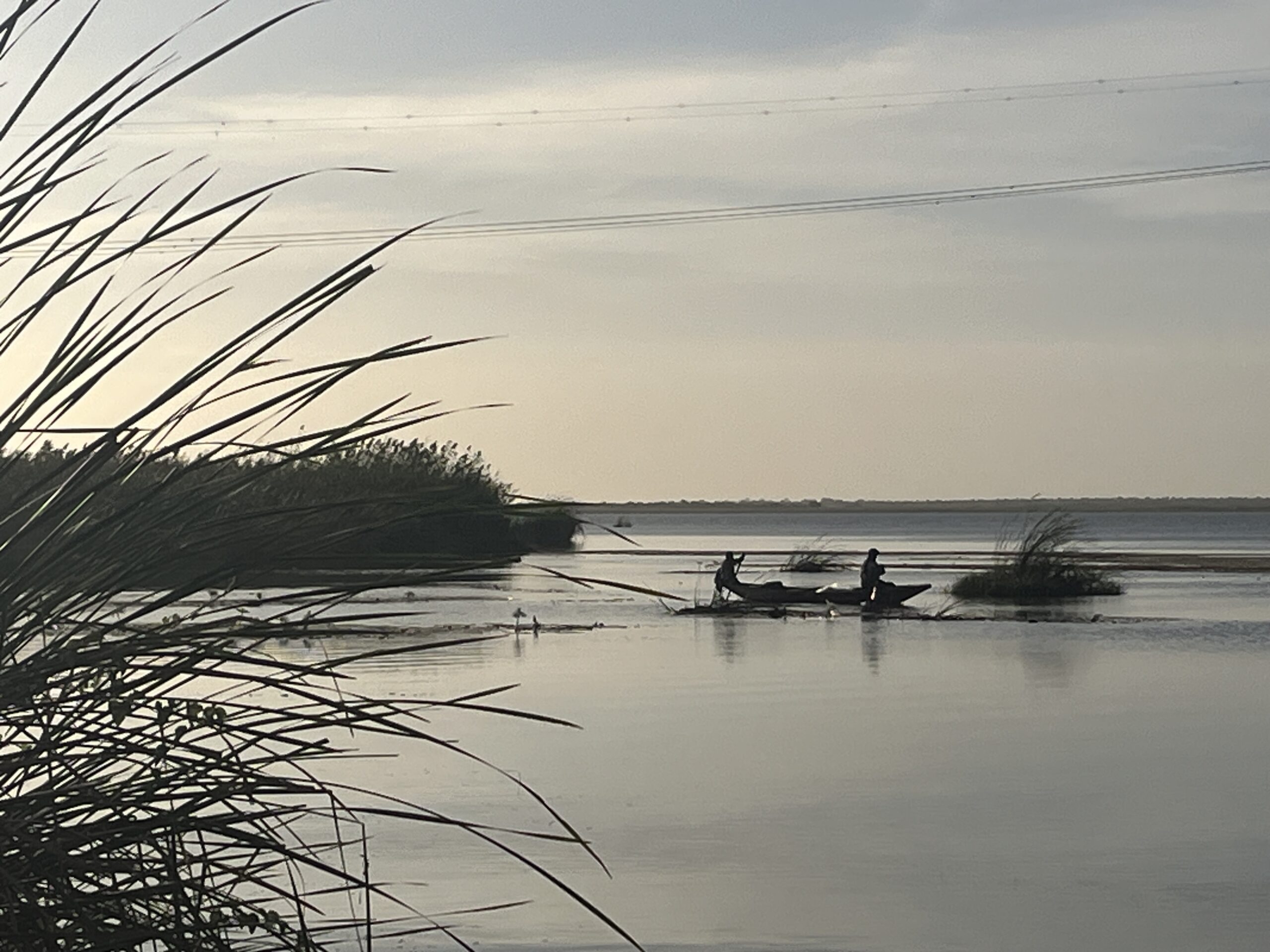
Here we describe the field site and what we do in it in a classic way.
The Reflexive Take
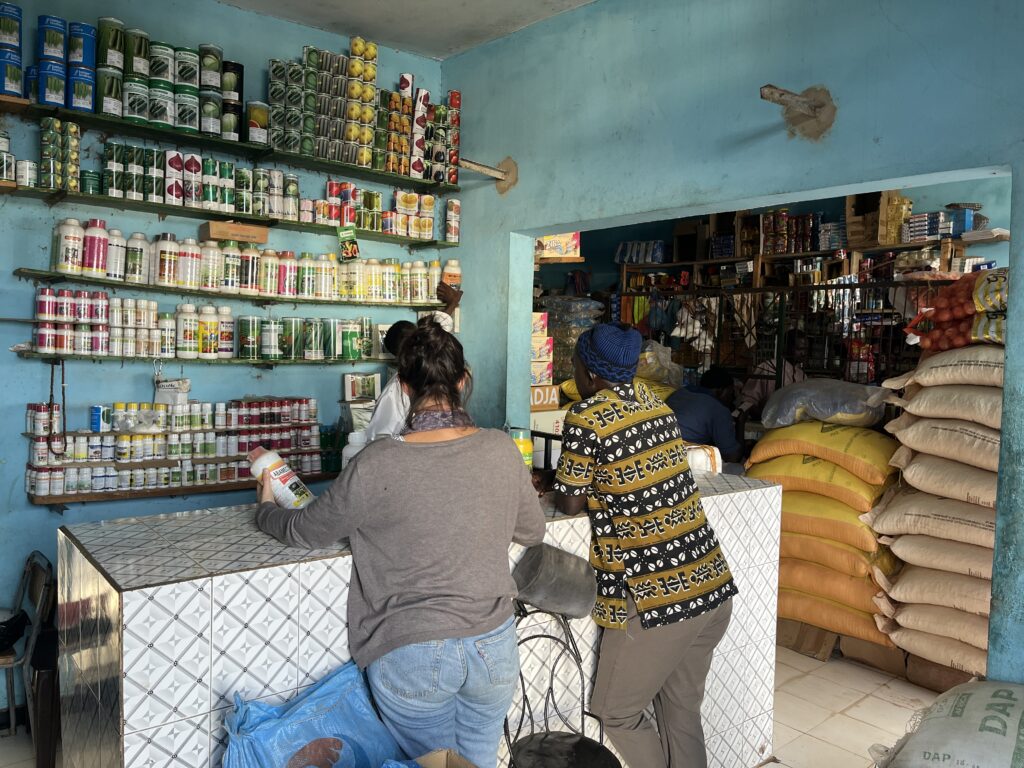
And here what might be more difficult to say because it questions the relevance of our work.
And a third look at things
In Senegal, the TRANSWATER project is implemented alongside LETSIMPROVETHEWORLD, a large multi-million research for development project – the type of project I dread and I am fortunate enough not to have to contribute to… Given the scope and complexity of the project, the numbers of partners involved, and the diversity of individuals who contribute in different capacities, it is no real surprise to me that activities fall short of the promises of co-production and transformation, at least the way I envision these notions. This is the world we live in, and the game we play: large scale projects get funded on the basis of promises that are impossible to fulfill and we all know about it – including funders. This is the context; taking co-production and transformation at that scale seriously would take superhuman strength. Instead of playing Sisyphus, colleagues involved both in TRANSWATER and LETSIMPROVETHEWORLD negotiated and shaped what I would call a “niche”. The niche started taking form after they presented (prior) research results that clearly stroke a sensitive chord with communities’ representatives living in the area where LETSIMPROVETHEWORLD is implemented.
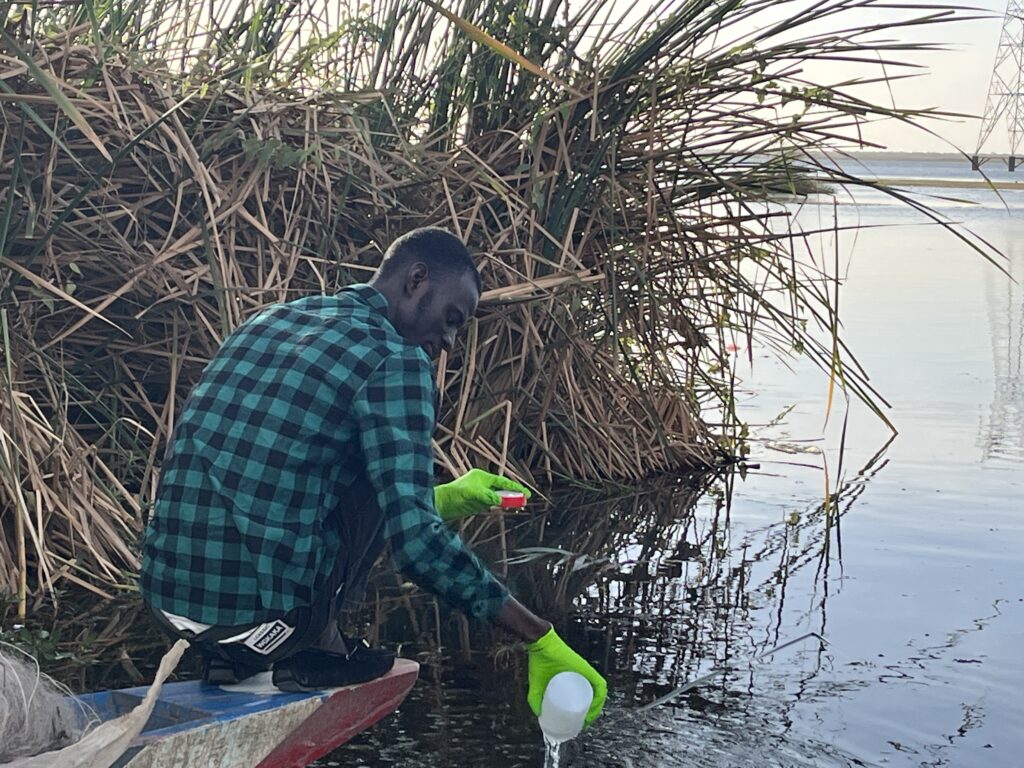
Clearly, colleagues were touched by the reactions and decided to reorient their research in line with the concerns raised during that meeting in what is tantamount, in my view, to a form of co-production. Followed the development of a citizen-science inspired protocol whose objective is not so much to generate knowledge (whose robustness would be questionable from a scientific perspective) than to give communities representatives the possibility to call out decision makers on that basis, with a semblance of scientific legitimacy. I was also struck by the choice these colleagues made “to go with the flow”: they plant seeds and consider it is not up to them nor in their hands to make them fructify… As whether communities’ representatives decide to share the knowledge they generate through their 1000+ members social media group or not, whether they engage with elected representatives or the administration or not is up to them, and is clearly spelled out. Well, I do not know if this will amount to anything in the end but when transformative aspirations are so unlikely to materialize through the research-based institutional path, why not turn the tables and let ourselves follow another path drawn by others. It might be worth a try and maybe it will indeed lead somewhere.
What we are doing and knowledge we generated
List of activities and production