The People
This is about us and what we are ready to share on the worlwide web
Géraldine Abrami
she is very cool too
Amandine Adamczewski
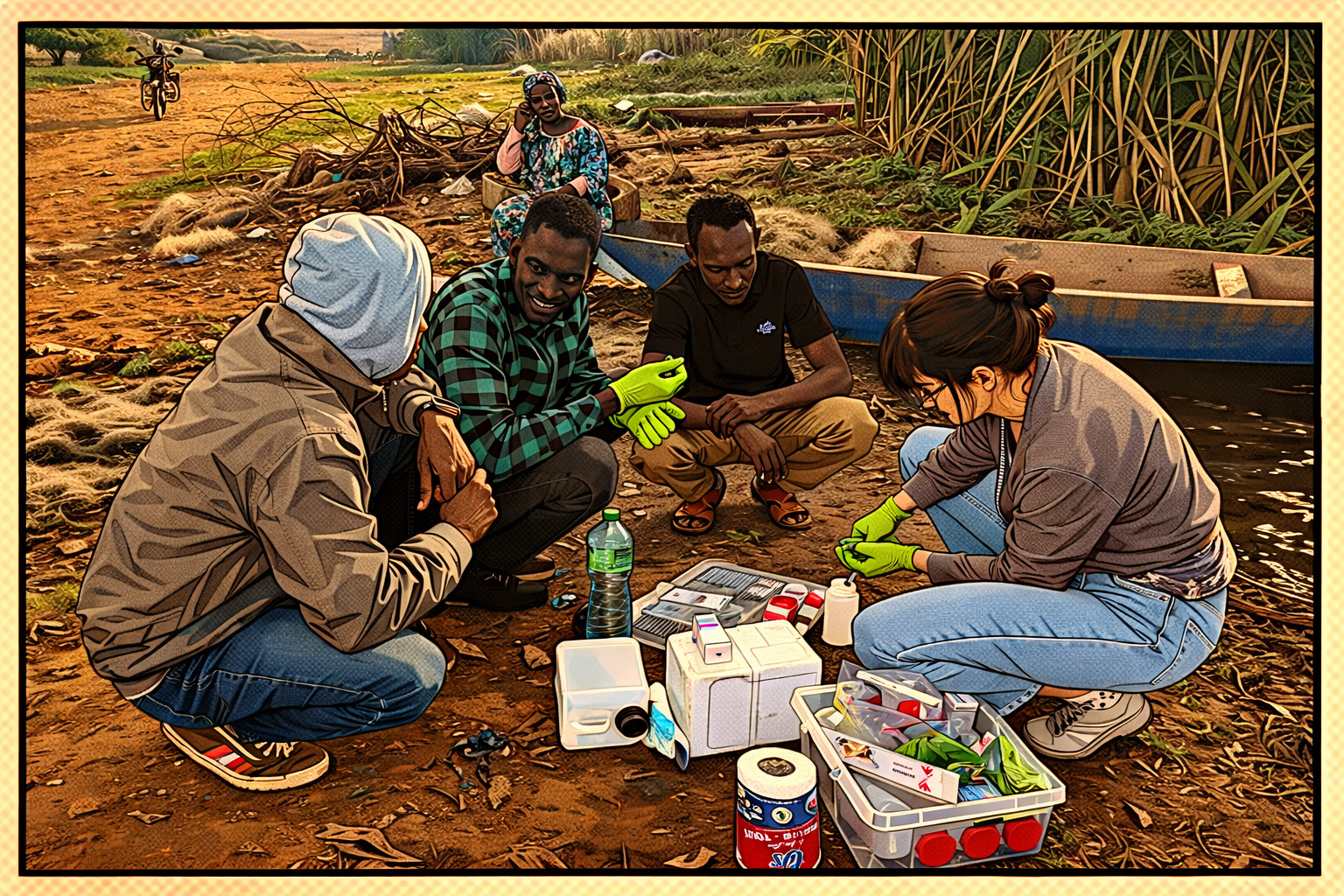
I spend a lot of time following water. Sometimes through the large irrigation schemes of West Africa, sometimes across valleys where the resource is becoming increasingly uncertain. I am a geographer, and a bit of an agronomist too. What fascinates me are the worlds that water sets in motion: institutions, conflicts, memories, everyday practices, and possible futures. I enjoy uncovering the often-invisible mechanisms that shape territories and working alongside those who are trying to imagine new pathways in times of change. I started out studying tensions and conflicts, and gradually found my way toward supporting collective action and processes of transition. Today, my work is about understanding these dynamics while accompanying collaborative efforts to navigate environmental and social change. What I enjoy most in my work are long walks in the field, hand-drawn maps, conversations by a canal, and spending time with farming communities. Beyond research, I like making things myself: gardening, renovating old places, and taking on new challenges—whether managing a beehive or learning how to tan a sheepskin for winter. I also have a soft spot for art, unusual objects, and ideas that shift the way we see the world.
Olivier Barreteau
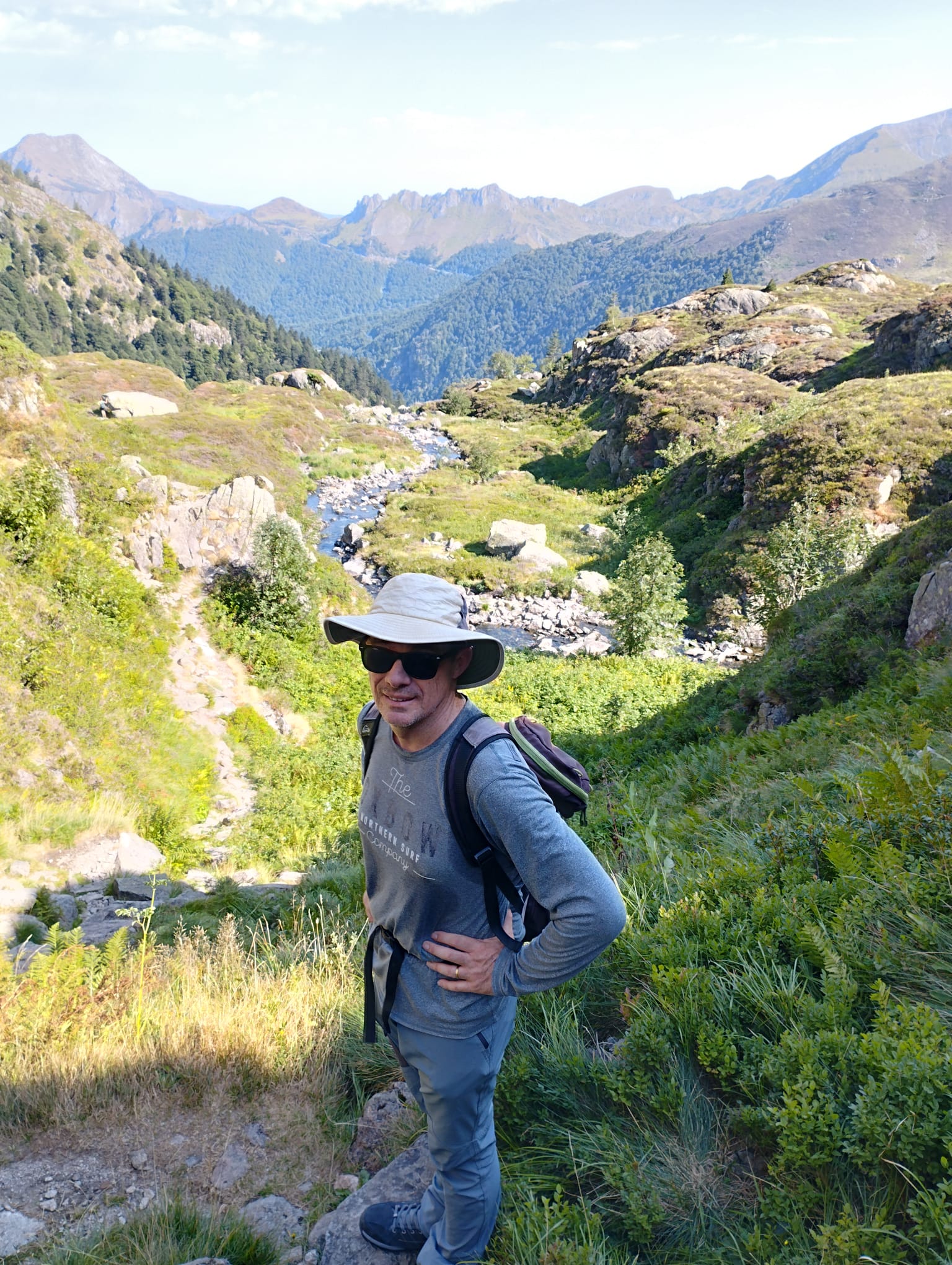
I am water scientist at INRAE, in Montpellier, UMR G-EAU, and director of Montpellier UNESCO International Centre for Interdisciplinary Research on Water System Dynamics. I have about 25 years experience in interdisciplinary research at the interface between hydrology, modelling, and management sciences in projects on local water governance, using social simulation with Agent based modelling and role playing games. My recent works focus on joint adaptive management of land and water against the background of global changes with issues of interdependencies between local adaptation plans. I am committed to inter and transdisciplinary research, keeping a strong link between policy makers, water users and research on the long term. Facilitating and taking part in workshops with stakeholders, benefitting from their involvement and interest to work out future pathways for their common future, is always a thrilling experience. Full commitment and passion make most often a constructive and positive combo!
Luisa Barquero
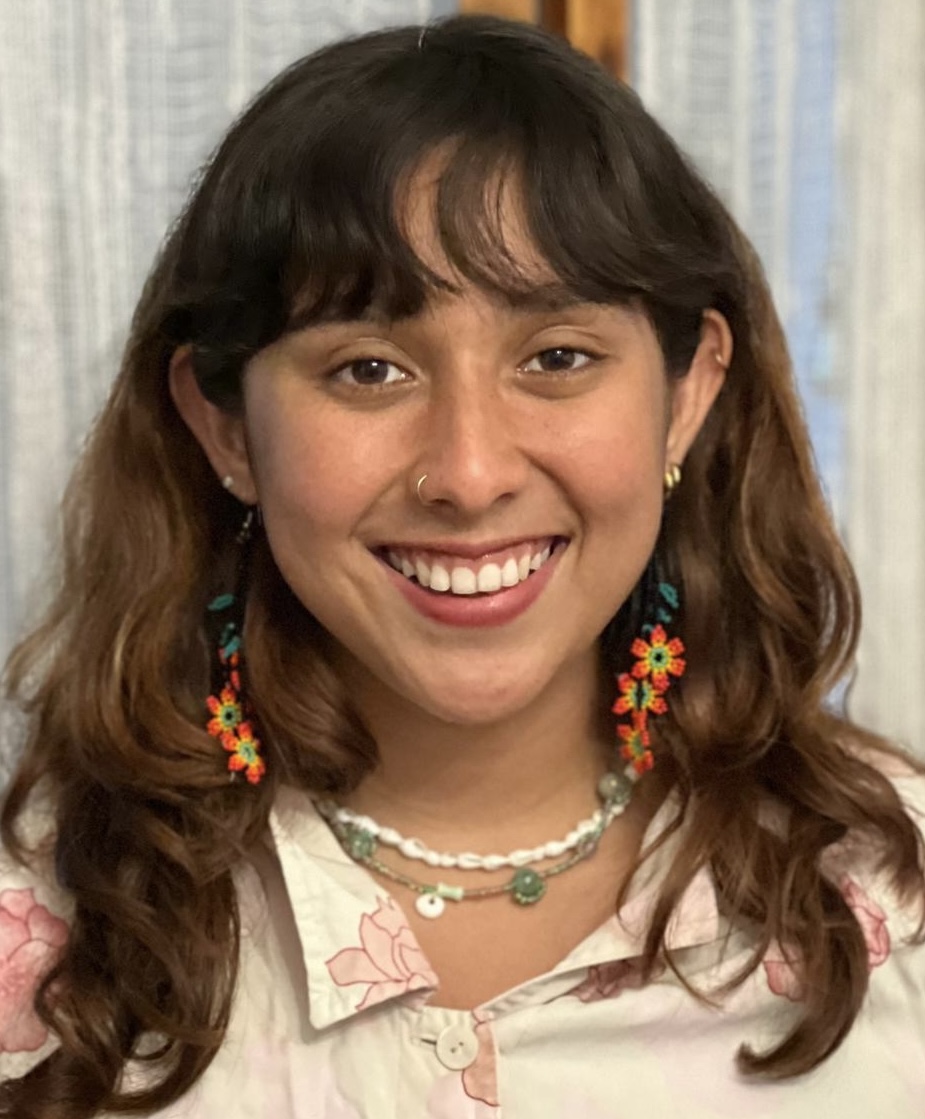
I am a PhD candidate in Water Sciences, conducting research on groundwater salinisation in coastal areas of Senegal, where communities depend entirely on communal wells due to the absence of tap water supplies. My research combines hydrogeology (geophysics and hydrogeochemistry) with participatory approaches, such as agent-based modelling and forum theatre, to characterise saline intrusion and discuss its impacts, perceptions and possible responses with local populations.
Justine Bassoul
I am a project manager for a regional research support programme called ‘Défi Clé Water Occitanie’, which investigates the feasibility of water reuse. It is funded by the Occitanie Region and administered by the University of Montpellier. My role involves ensuring favorable conditions for the development of research projects and acting as an intermediary between researchers and local stakeholders within ‘Living Labs’. I co-facilitate these Living Labs, bringing together local stakeholders and researchers to jointly develop research questions. These questions are closely linked to local challenges regarding water reuse. I enjoy helping to forge these human connections, building relationships of trust, and learning from others’ perspectives. I hope that the meetings and exchanges between a diverse range of stakeholders and researchers from different disciplines will lead to the development of sustainable and equitable solutions. In my spare time, I enjoy walking in the forest to pick mushrooms, sleeping in a mill and listening to the sound of the water…

Bruno Bonté
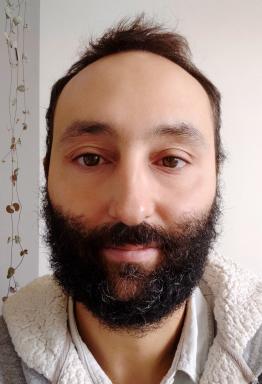
I’m a computer scientist who shifted to water Science. Since 2013 I have been working as a research associate at INRAE within the UMR G‑EAU on issues of modelling and simulation about water and society. Depending on the project, this work is linked to the theory of modelling and simulation, to companion modelling approaches, to the engineering of complex systems, or to the engineering of participation. More generally, my research focuses on the various formalisation steps that are specific to modelling and simulation. Over many years of interdisciplinary work and collaboration with water stakeholders, I have added a more reflective dimension to my research, considering what modelling means in terms of collaboration with other disciplines and with water actors. Building on these reflections, my future research project will give particular attention to the different ways in which a socio‑hydro‑system model—acting as an intermediary object between stakeholders and scientific disciplines—fits into the studied territory.
Samia Chrii
I am an agro-economist working on issues of territorial development, with a particular interest in collective action and natural resource governance in rural areas. My work focuses on how local initiatives contribute to shaping more sustainable and inclusive forms of development. My interest in research emerged during my Master’s internship within a research team, where I was introduced to a reflexive approach to development and governance issues. Since then, I have been working in a research environment, mainly supporting and engaging with local actors involved in collective water management initiatives. For the past four years, I have been working closely with a farmers collective managing groundwater resources in southern Tunisia. This field experience provides a valuable lens to explore issues of resource governance, cooperation among stakeholders, negotiation processes, and the long-term sustainability of territories. My work aims to better understand how local forms of organization can support more collective, sustainable, and equitable management of water resources.
Anne-Laure Collard
I am a sociologist. I studied the movements of reconfiguration, reinvention or rupture in the relationship between water and society in contexts where water is scarce. I regularly collaborate with colleagues from other disciplines, which leads me to explore the modalities of interdisciplinary dialogue. Presently, I am exploring the use of alternative forms of writing whilst reflecting on the forms of engagement, the discomforts and the possibilities they offer. I like the color ochre, receiving postcards and taking small steps to the side.
Raphaele Ducrot
My background is in agronomy, but I turned to agro-geography as I realized that in order to comprehend a farmer’s decision-making process, you had to understand their territory: the place and land they work on, the relationships and power dynamics they must negotiate, and the questions of justice woven into the landscapes where water flows and people live. This led me towards a way of working that is both systemic and relational — drawing on multiple disciplines and knowledge systems to make sense of how people and their irrigated schemes, water infrastructures, or catchments hold together and face risks, uncertainty and changes over time. Always at the intersection of research and intervention, I navigate with farmers, water users, and decision-makers to explore responses to these changes. For me, understanding complexity means stepping into it. What moves me most is the people: It never ceases to amaze me, every time I sit down with a farmer, a manager or a fisherman how much we share. My sense of peace and freedom, though, comes from somewhere else entirely — from the sea. From wide open saltwater, and from the small, quiet signs of human life found along its edges.

Caroline Falize
I support the emergence of ideas, assemblages, and the expression of agreements and disagreements within groups. I design and facilitate participatory processes and gatherings. My joy lies in adapting programs as we go, making space for the unexpected to foster deep connections and breakthroughs. Walking, playing, moving, creating, awakening the body and the senses, letting emotions dance, elaborating installations and stories, and shifting perspectives to see more clearly. Always with gentleness, sensitivity, and care for each person’s needs and rhythms. Through these sensitive approaches, I widened the space for dialogue and reflexivity — so as to nurture individual and collective awakening and encourage cooperation and commitments to life.
Titouan Filloux
I am a PhD student conducting research about potential pathways towards sustainable futures for irrigated rice-growing systems in Cambodia. I am naturally curious and enjoy exploring a wide range of fields, a tendency that initially arose from the need to adapt to the demands of the research labour market but has gradually become a personal preference. I have been most involved in the study of agricultural systems, approaching them through multiple lenses, including landscape, historical, cultural, technical, economic, social, and environmental perspectives. I am particularly interested in understanding the contexts, rationales, and constraints shaping peasants’ existences, as well as the agrarian changes and transformations of rural territories within which peasantries are embedded. I mainly work on these issues in development contexts in Southeast Asia, but these are topics that interest me from a much broader perspective. Apart from that, I try to prevent computer technology from taking over my life by relaxing, doing outdoor sports, playing music, reading novels, and many other things.
Emeline Hassenforder
My journey with water began following the flow of others: I traveled the world tracing 10 transboundary rivers, meeting those working toward ‘blue peace.’ Since then, I’ve officially become a researcher, weaving the thread that connects water and people. My focus? Evaluating participatory water management approaches. In other words, I explore why collective decision-making about water simply works better. To do this, I often immerse myself in the field, driven by a commitment to foster sustainability and equity. And when I need to escape, I pick up my paintbrushes…
Charlotte Hemingway
I am what one could call an agro-geographer specialised in the analysis of agrarian transitions (so far in the Global South) and inequalities in agriculture. My work examines patterns of social differentiation among farms and explores who benefits and who loses from different policies and development processes. My research is grounded in fieldwork, involving extensive semi-structured interviews, alongside observations of landscapes and agricultural practices. I am particularly interested in how material conditions — such as access to infrastructure and the use of resources — shape social inequalities. I’m trying to make visible inequalities in agriculture, with the hope that public policies and development projects better consider the social diversity of farmers.
Caroline Lejars
I am an agronomist with a Ph.D. in management sciences. Most of my research on water management is based on participatory approaches and methods designed to support water stakeholders (farmers, managers, decision-makers, etc.), particularly in the development of action plans and policy frameworks. When I am not hiking upstream rivers, I go canyoning or take walks along the riverbanks with my dog, who’s trained to detect tiger mosquito larvae!
Sylvain Massuel
I worked as a quantitative hydrogeologist in semi-arid areas and became interested in understanding and modelling the evolution of groundwater reserves in relation to societies. I engaged in interdisciplinary research on water that put to the fore the co-constitutive nature of social and hydrological dynamics. Apart from that, I find a certain sense of calm in the 10-years-long renovation of my house, a project where I can control every little detail and give free rein to my imagination.
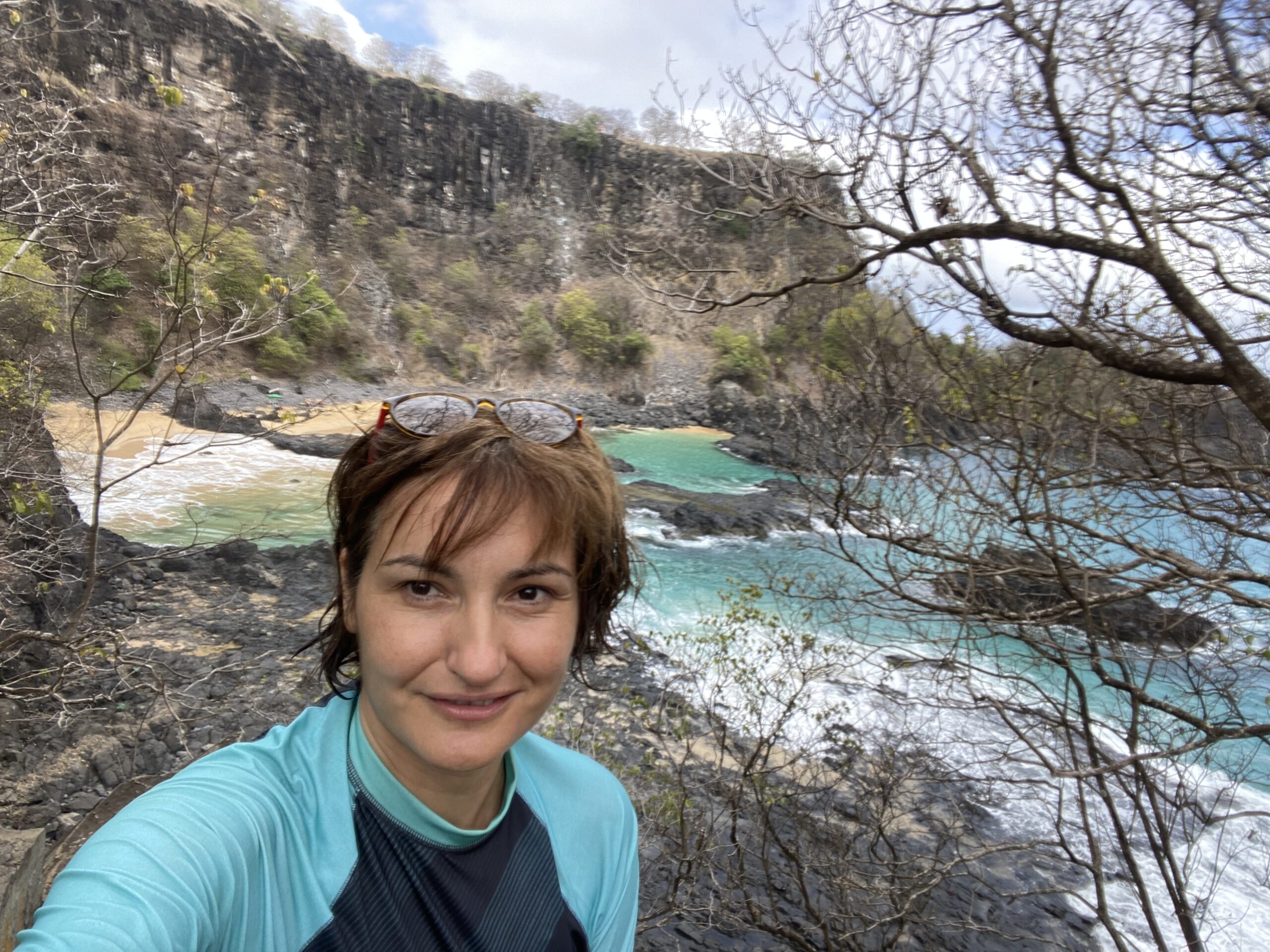
Véronica Mitroi
As an environmental sociologist, my professional trajectory has been significantly influenced by rivers and aquatic ecosystems. This was not an intentional decision, but rather something that has become apparent as I reflect on my career. I grew up in Romania, on the banks of the Danube, and started studying sociology without knowing that Danube Delta would become the subject of my PhD research, exploring how local communities and the delta ecosystem have been historically co-constructed by various political systems and conservation policies. Unexpectedly, the flow of the Danube has led me to the peri-urban ponds along the Seine River, followed by aquatic environments in sub-Saharan Africa (Senegal and Ivory Coast) and South America (the São Francisco River in Brazil), where I examine how various systems of knowledge interact in water governance arrangements at different territorial scales. I develop participatory methods, such as co-production of indicators, water forums, counter-mapping, storytelling and visual methods, that can contribute to reconsider the questions of justice and legitimacy in water governance. I am engaged in active, care-ful water research that is sensitive to different forms of knowledge, attachments, and practices of caring for water.
Sylvie Morardet
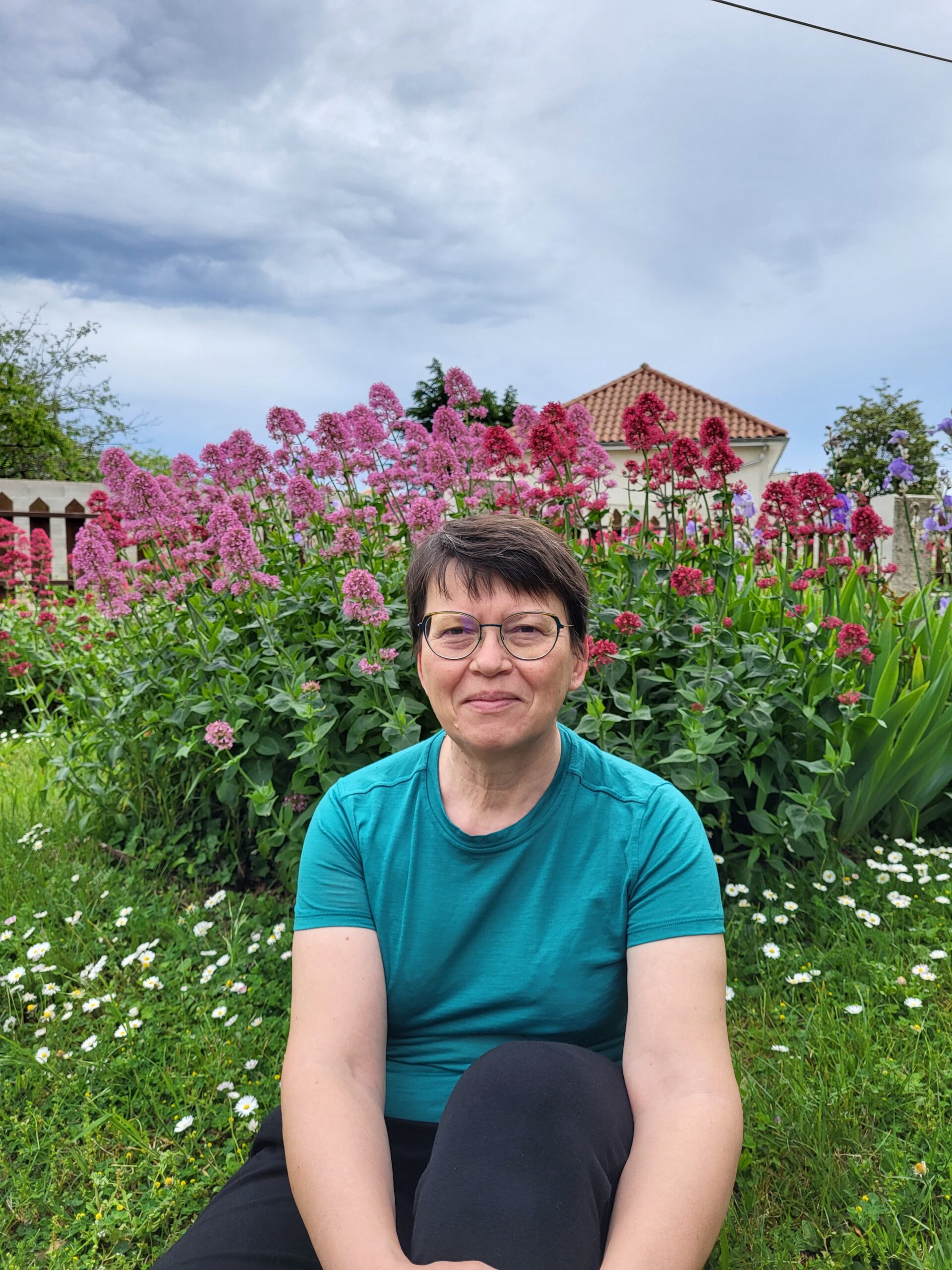
With a background in agricultural engineering, I am an economist who works on water management issues with a focus on supporting public and collective decision-making. I am interested in the behavior of water users, how they make decisions, and what motivates and constrains them.I began my career by developing microeconomic models to represent farmers’ water demand and how it changes in response to agricultural policy measures or water management instruments. Later, I turned my attention to the values that beneficiaries assign to the services provided by hydrosystems. Gradually, I broadened my research scope by adapting and designing tools and approaches to support participatory water and land management. I enjoy combining and blending concepts and methods from different disciplines. Among these tools, I have a particular fondness for modeling – whether conceptual, economic (though somewhat less so econometric), or in the form of serious games.What motivates me are my relationships with people, whether with my fellow researchers or with stakeholders in the field. My ambition is to build something useful – for decision-makers, water managers, and my fellow researchers, more rarely, directly for end-users and ordinary citizens – and to contribute, in my own modest way, to more equitable and sustainable water management.
When I need to recharge my battery, I like to make things with my hands: sewing, mending clothes, creating pretty cardboard boxes, but also going on bike rides along rivers and walking through the “garrigue”.
Andrew Ogilvie
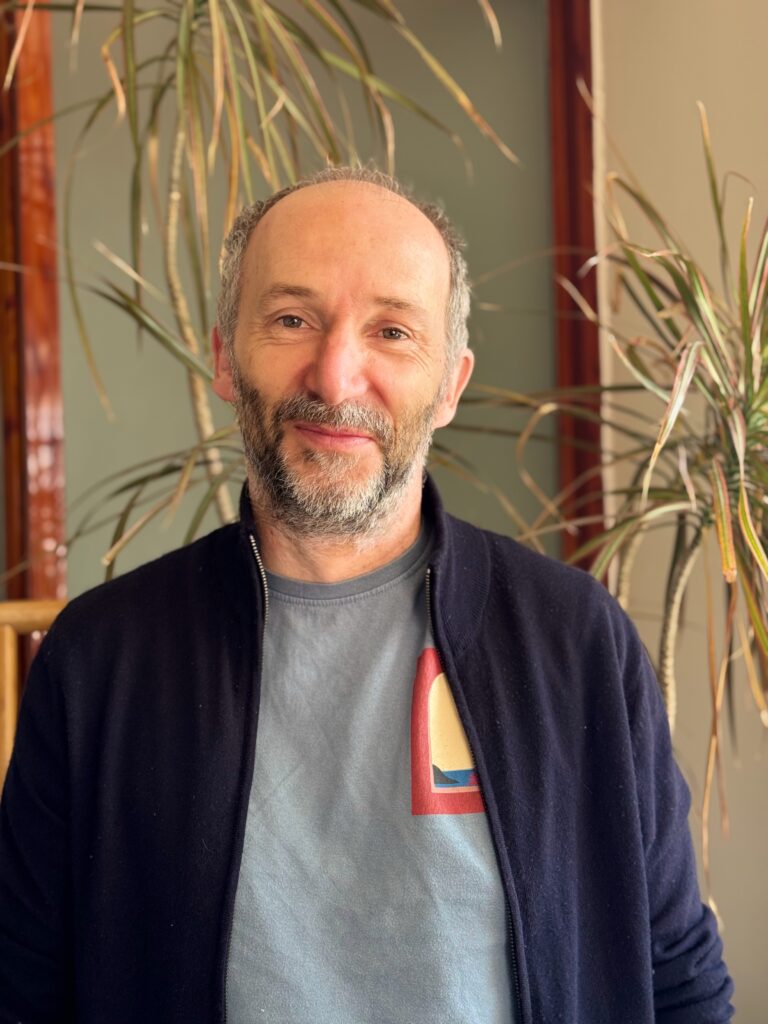
I am a hydrologist, working on understanding surface water dynamics in exposed territories of large river basins (Senegal, Mekong…). I like to combine field observations, hydrological modelling and remote sensing approaches to better understand how human and climate trajectories interact with water resources. I relish getting away from my desk to spend time in the field playing with our tools and learning from the farmers, and water managers. Over the years this has led to working more closely with researchers across disciplines and stakeholders to co-develop models and tools and ground our research. When out of office, I’m hopefully on the water or in some upstream mountain catchment.
Amine Saidani
I am a researcher working on the interactions between water, agriculture, and territories. With a background in agricultural engineering and professional experience in the fields of agriculture and water management, I focus on water circularity in agricultural production systems. In my work I adopt a multidisciplinary approach at the intersection of hydrology, agronomy, water governance, and territorial dynamics. More broadly, I am interested in hydro-social systems, managed aquifer recharge, sustainable agriculture, and participatory approaches that place local stakeholders at the center of resource management and decision-making processes. Before turning to research, I worked in agricultural development projects within a consulting firm and later spent several years as an independent consultant in the fields of agriculture and water management in Algeria. These professional experiences continue to shape my research by grounding it in real-world challenges and stakeholder perspectives.
Romain Valadaud
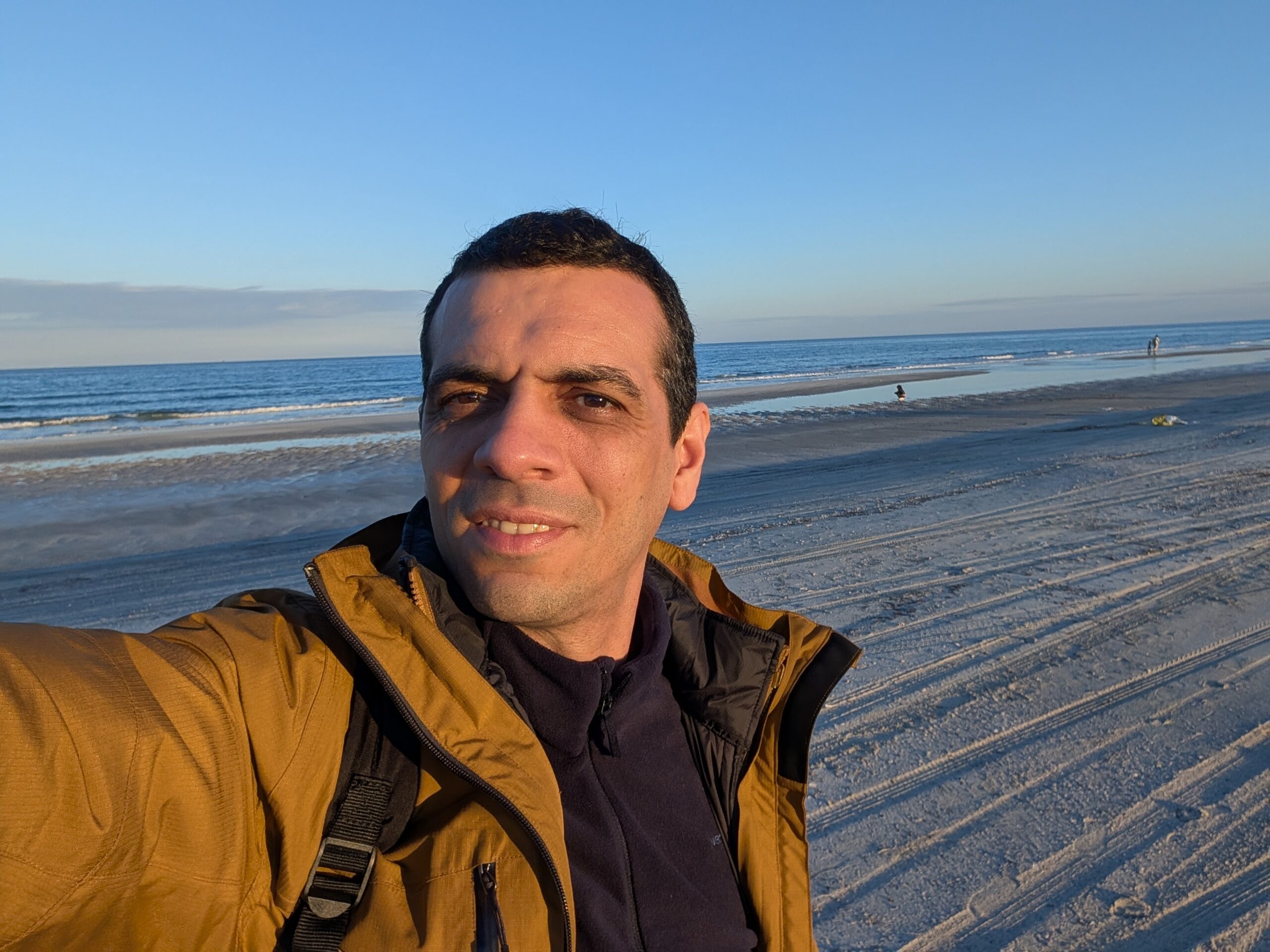
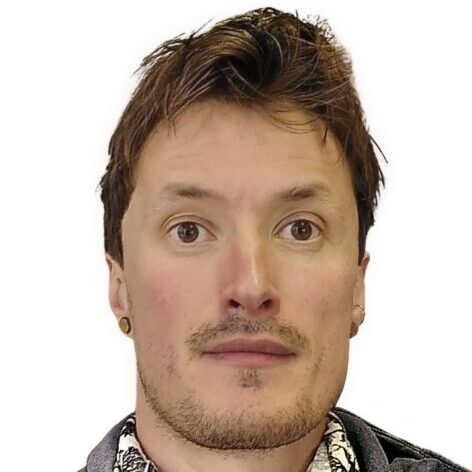
I am a critical geographer who used to study on irrigation management in Asia. I learned a lot in these contexts, but I felt unanchored to a territory, a culture, and therefore a possibility to meaningfully impact the unequal and unsustaiable uses of water. A few more articles published by a white male in far away scientific journals did not seem like it would go a long way to produce change in water in authoritarien regime struck by a structural poverty. So I came back home, to France, to Montpellier a city were I was born and raised, and where, since then, I am working reflexively on participatory research. This feeds my attempts to build transdisicplinary alliances anchored in a hydrosocial territory in order to challenge power relations and structural to unequal and unsustainable uses of water. To cool down from work and militantism, I tend to walk a lot along all kinds of streams, small and large, quiet and talkative. It also feeds a growing passion for the creation of role playing games, which are increasingly water related…
Jean-Philippe Venot
I am conducting research at the interface of Science and Technology Studies and the Anthropology of Development. I use these critical frameworks in support to the development and implementation of participatory approaches to support just water governance frameworks. I leave lots of comments on drafts, but I also have a particular fondness for cats and dogs, and I love gardening on my balcony – this allows me to keep nature tidy and goes well with my eye for details. I also read and collect comic books but that’s another story…
Paul-Malo Winsback
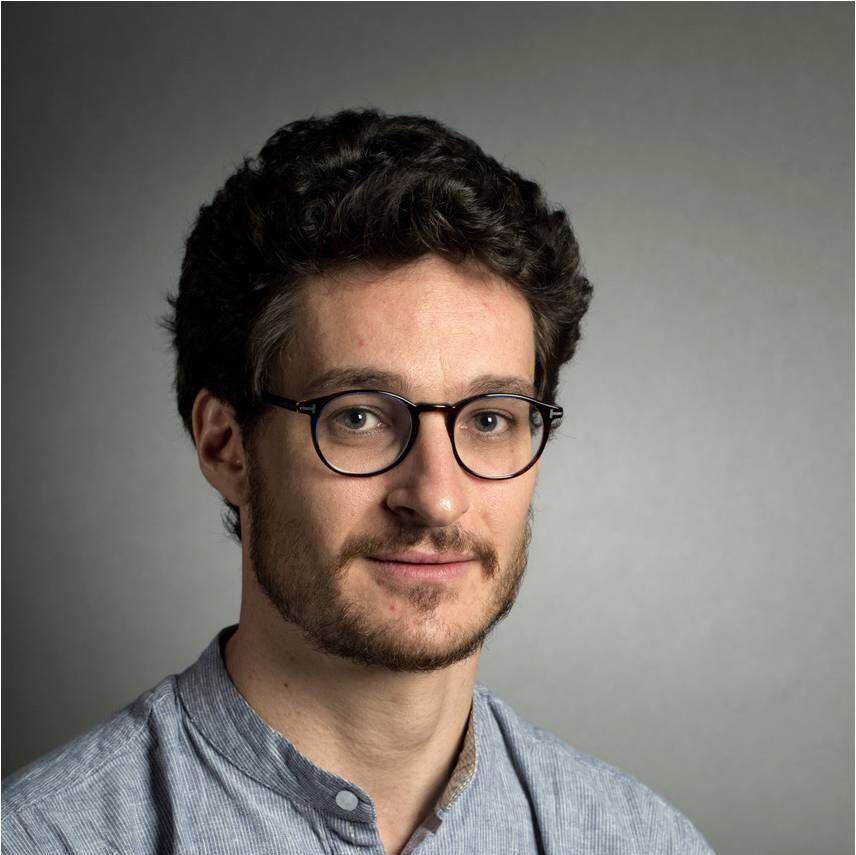
I am a political sociologist, and so far my work has mostly dealt with the construction of water bureaucracies in Southern Africa as well as the development of water and electricity markets in Senegal. These different fields have strengthened my interest in a reflexive approach to conducting research, attentive to the structural inequalities that shape our everyday relations and what we often consider to “go without saying” – even more so in postcolonial contexts. I am now conducting research on sustainability science and its role in supporting transformative governance on freshwater in the Global South, trying to bring forth a reflexive and critical perspective on our research practices.